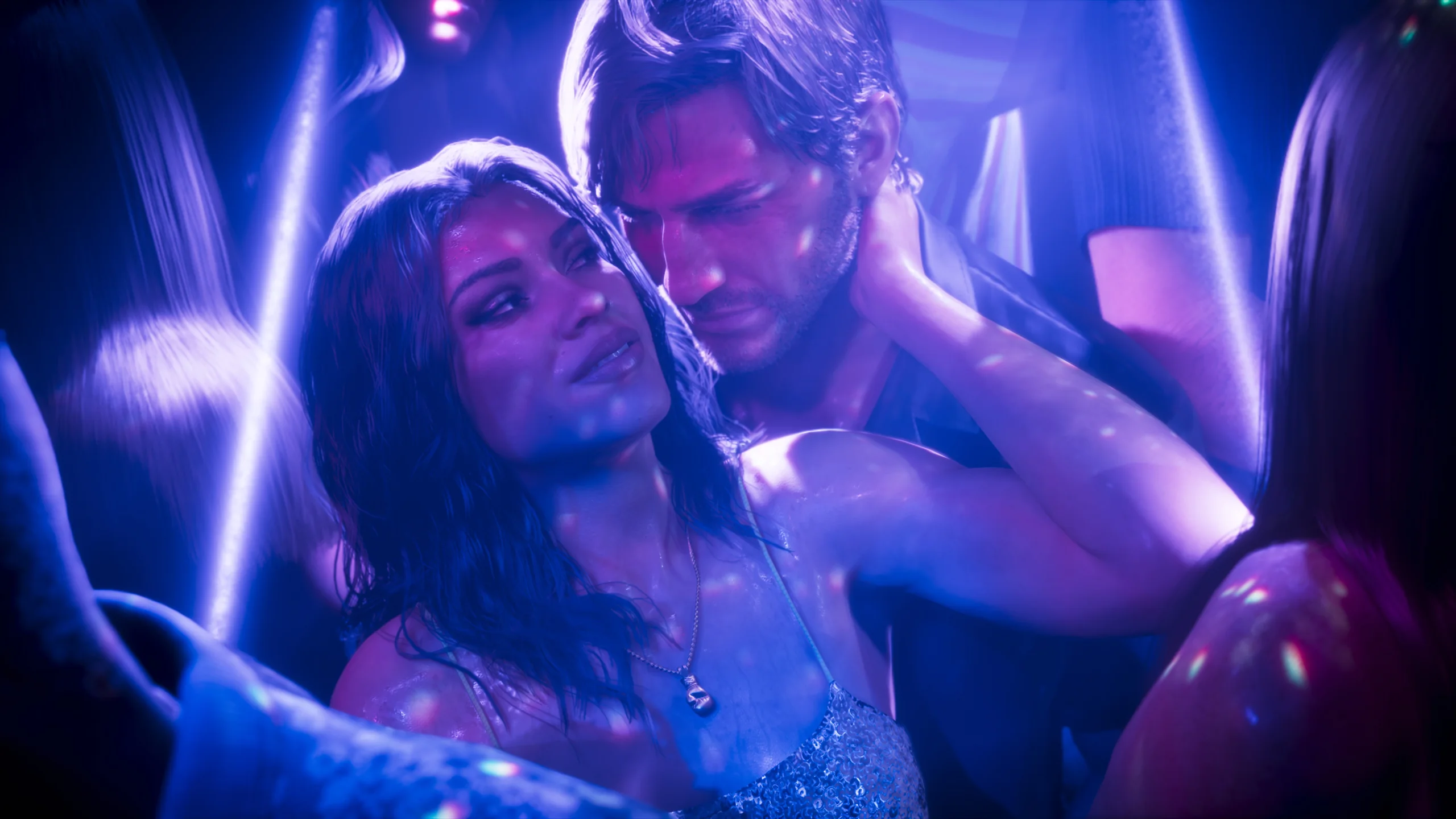
GTA 6: Rockstar Reveals How It Built Its Most Ambitious Open World
Building Vice City and Leonida began long before players could explore their streets. An interview by Keza MacDonald, published in The Guardian on November 11, 2026, dates Rockstar North's first Miami research trips to 2015 and explains how studying the real place informs GTA VI's world.
Rob Nelson and Jennifer Kolbe take part in the feature, which combines their account of the studio's work with MacDonald's observations during a demonstration. That distinction matters: the scenes described illustrate the detail shown without turning each example into a promise about every system in the game.
Starting with a place before its stories and characters
In the process described in the interview, Rockstar first studies the real places behind its settings. Research helps establish which experiences belong in that environment; stories and characters then develop from that understanding of the place.
The trips beginning in 2015 put that preparation on a scale of years. Researching a city for a game involves looking at both its appearance and how people live there. The feature's interest lies in that connection between first-hand experience and the creative decisions that eventually shape Vice City.
The date of those first trips identifies a research phase. By itself, it cannot date every production stage or establish how many years were spent developing an individual GTA VI feature.
From Miami and Florida to Vice City and Leonida
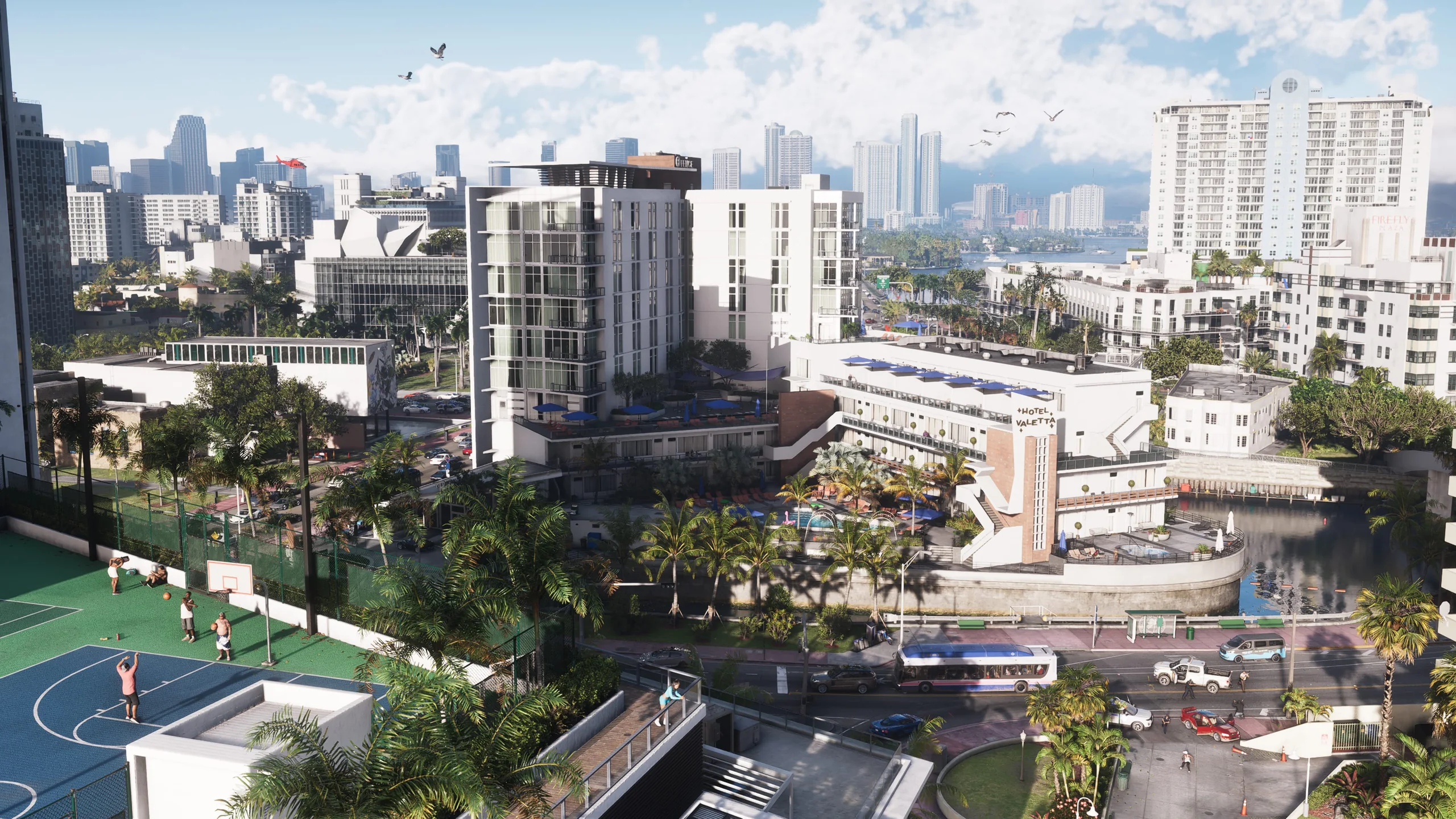
Vice City and Leonida bring references from Miami and Florida into a fictional setting. Research provides a recognisable foundation on which Rockstar can build its own streets, landscapes and situations. Capturing that character does not require reproducing every real location literally.
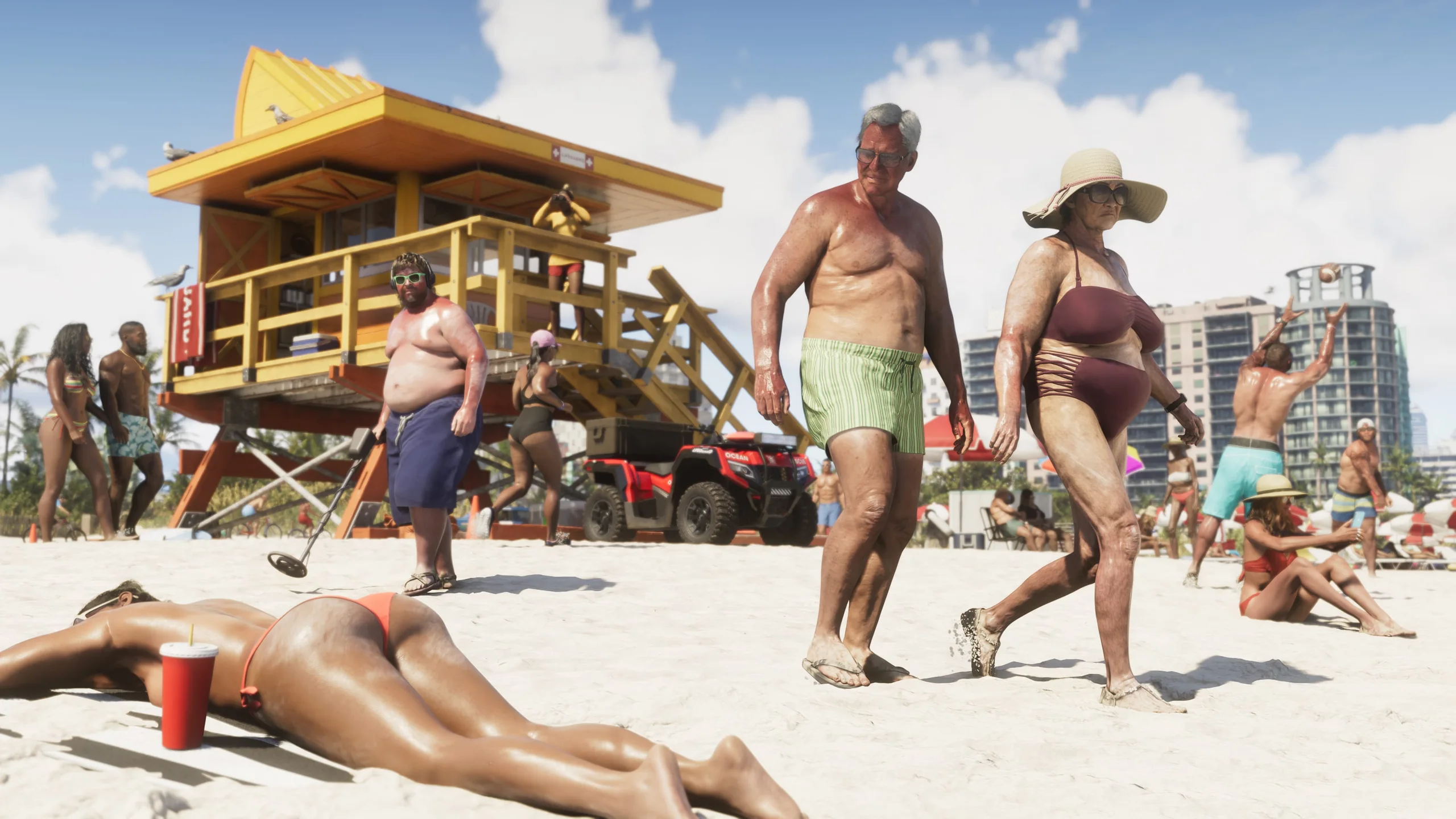
Understanding the setting also means looking beyond the skyline. Architecture shapes the city, while pedestrians and their clothes help give its spaces an identity. Street art and interiors add information at closer range. These are the areas of detail addressed in the interview; they do not establish that every building can be entered.
Existing official images offer another way to explore the setting. Our Vice City profile and map guide bring that material together separately, without treating a screenshot as proof of exact dimensions or access to every area.
Small gestures in the demonstration
MacDonald describes examples Nelson showed her: Jason eats while walking and shifts his beers when running. Small gestures like these help give a character a physical presence in the setting, even away from a major action sequence.
Those animation observations belong to the demonstration the journalist recounts. They do not establish a general eating system, particular inventory rules or interactions available in every situation. The point is the care applied to the actions shown, rather than a catalogue of mechanics the feature does not confirm.
How field research supports a believable world
Consistency connects the research, the environment and the animation. A recognisable landscape also depends on the people moving through it and the details that appear up close. Our reading of the process described is that fieldwork supplies shared references for building those different scales of the world.
Nelson and Kolbe's explanations describe Rockstar's working methods. Assessments of the result and accounts of the scenes witnessed belong to MacDonald's reporting. Keeping those voices distinct makes the scope of this look at development clearer, without treating it as a review of the complete game.